

Latest blog posts
Tools and strategies modern teams need to help their companies grow.

SEM Management
Creative Intelligence Dolnai: Decode Your Ads' Creative DNA
Dolnai’s new AI reports analyze thousands of Performance Max images and headlines, linking specific creative elements to actual conversion performance


SEM Management
Landing Page Mismatch Is Killing Your Google Ads
Landing page mismatch breaks your ad’s promise, inflating CPA and damaging Quality Scores. Rather than buying more traffic, align the post-click experience with search intent to restore campaign efficiency.

SEM Management
Landing Page Mismatch Is Killing Your Google Ads
A click is not a conversion. It is a promise made by your ad and tested by your landing page. When that promise breaks, you have a landing page mismatch - and Google Ads can keep charging you for every disappointed visitor. This is one of the quietest ways to inflate CPA. The campaign may have acceptable CTR, relevant keywords, and even strong ad copy. Yet conversion rate stalls because the person who clicked expected one thing and found another. The account does not have a traffic problem. It has a continuity problem. For serious advertisers, that distinction matters. Buying more clicks into a broken message path is not growth. It is more expensive evidence that the page needs work. What landing page mismatch actually means
Landing page mismatch happens when the intent behind a search, the claim in an ad, and the experience on the destination page do not align closely enough. It is not limited to sending traffic to an irrelevant URL. A mismatch can be subtle. A user searches for "same-day AC repair," sees an ad promising same-day service, and lands on a generic HVAC homepage with no mention of availability, response time, or emergency booking. Technically, the page is about air conditioning. Commercially, it fails the test. The same problem appears in ecommerce. An ad promotes 25% off running shoes, but the click opens a broad footwear category with excluded products, a hard-to-find offer, and no indication that the advertised models are in stock. The visitor has to hunt for the reason they clicked. Most will not. Google sees signals such as expected CTR, ad relevance, and landing page experience when assessing Quality Score. Users see something simpler: whether you gave them what you said you would. Both reactions affect profitability. Why it damages performance beyond conversion rate
The immediate impact is obvious: fewer conversions from the same paid traffic. But the downstream damage is larger. When visitors bounce, hesitate, or return to search results, your campaign can lose the engagement signals that support a healthy landing page experience. Poor relevance can contribute to weaker Quality Scores, which may mean higher CPCs or less competitive ad positions. You end up paying more to acquire visitors who are less likely to act. Landing page mismatch also distorts optimization decisions. A marketer may conclude that a keyword is weak because it produces clicks but no leads. In reality, the keyword may be highly valuable. The page simply does not answer the question the searcher asked. That is why pausing every low-converting keyword is not a strategy. First determine whether the query, the ad, or the destination is breaking the chain. The expensive false positive
Consider a B2B campaign bidding on "employee scheduling software for restaurants." The ad leads with restaurant-specific labor controls and multi-location scheduling. The landing page opens with a generic headline about "workforce management for modern teams" and sends visitors toward a product tour. The page may be accurate, polished, and well designed. It is still weak for this query. Restaurant operators want proof that the product handles shift swaps, hourly labor, compliance, and location-level staffing. If those answers are buried below the fold or missing entirely, the campaign looks worse than it is. Generic pages often protect brand consistency. They rarely protect paid-search efficiency. How to diagnose landing page mismatch in a Google Ads account
Start with data, not opinions. Pull a report that pairs search terms or keyword themes with the final URLs receiving traffic. Focus first on segments with meaningful spend, high CTR, below-average conversion rate, or an unusually high CPA. Those are the places where intent may be strong but the post-click experience is failing. Then review the click path as a user would. Search the term. Read the ad without assuming you know what it means. Open the landing page and ask one hard question: can the visitor confirm, within a few seconds, that they are in the right place? Check the following elements together: The search term reveals the user’s need, specificity, urgency, and buying stage.
The ad headline and description make a concrete promise about the product, offer, location, price, or outcome.
The landing page headline confirms that promise in plain language.
The page provides proof, details, and a CTA that match the decision the visitor is ready to make.
If any link is vague, the chain weakens. An ad about pricing should not send users to a feature overview. An ad for a specific city should not land on a national page with no local proof. An ad offering a demo should not force visitors to read a long educational article before they can request one. Dolnai can help expose the account-level patterns behind this problem by identifying inefficient spend and giving marketers a clearer view of where attention should go first. The page review still requires human judgment. That is the point. Automation can flag a symptom; it cannot reliably decide whether your page keeps the promise your ad made. Fix the message path, not just the headline
Changing the H1 is often necessary. It is rarely sufficient. The entire page must carry the same commercial argument as the ad. Start with message matching. If the keyword and ad emphasize "free shipping," put free shipping near the top of the page, explain the terms, and make sure the promoted products qualify. If the query is "enterprise payroll software," show enterprise capabilities, security, integrations, implementation expectations, and a sales-oriented CTA. Do not greet that visitor with a small-business starter plan. Next, match the page to intent. High-intent searches such as "buy," "quote," "near me," or a precise product name usually need direct access to price, inventory, availability, booking, or a sales conversation. Research-oriented searches may need comparisons, technical detail, use cases, or a useful next step before asking for a demo. This does not mean every keyword needs a custom landing page. That approach can create an unmanageable testing and maintenance burden. Build pages around meaningful intent clusters instead. A well-built page for emergency plumbing is more useful than dozens of nearly identical pages for individual emergency plumbing queries. A separate page for routine installation may still be necessary because the buyer’s urgency and objections are different. Put proof where doubt begins
Most pages lose momentum because they make a claim and delay the evidence. If your ad says "Reduce CPA," the landing page should quickly show how: methodology, performance benchmarks, customer evidence, or the product capability responsible for the result. Do not hide the qualification details either. If an offer applies only to new customers, say so. If pricing starts at a certain level, make that clear. If implementation takes six weeks, the right lead is better than a frustrated form fill. Better qualification can reduce conversion volume while improving lead quality. That is not a failure. The relevant measure is qualified conversions, revenue, or pipeline value - not form completions that sales cannot use. A practical testing plan for paid search teams
Do not redesign every page at once. Use a controlled approach that preserves learning. Choose one high-spend intent cluster with enough conversion volume to evaluate. Document the current search terms, ads, landing page, conversion rate, CPA, and downstream quality metric. Then create a focused variation that improves one message path: a more specific opening headline, an offer repeated above the fold, stronger category proof, or a CTA aligned to the searcher’s stage. Keep the traffic source and measurement setup stable while the test runs. If you change bids, audiences, ads, pages, and forms at the same time, you will get activity without insight. Watch conversion rate, CPA, lead quality, and any change in engagement that matters to your business. For low-volume campaigns, classic split-test certainty may take too long. Use structured qualitative review alongside the data. Listen to sales calls, inspect form comments, watch session recordings where permitted, and compare the terms people used with the language on the page. A clear mismatch does not need six months of statistical theater before you fix it. The questions to ask before you buy another click
Before increasing budget, ask whether the destination earns the click. Does its first screen repeat the user’s problem or desired outcome? Does it make the advertised offer easy to find? Does it explain why this option is credible? Does the CTA feel like the next logical action, rather than a demand for commitment? If the answer is no, more budget will only scale the leak. Paid search works when intent is met with clarity. Your ad creates expectation. Your landing page either confirms it or wastes the opportunity. Fix that handoff, and you may find that the account did not need more traffic at all. It needed fewer broken promises.
SEM Management
First-Party Data in Google Ads: The Key to Optimizing Search and PMax
Both in Search campaigns and Performance Max (PMax), your first-party data and customer lists (Customer Match) are no longer an optional advanced tactic; they are the most powerful differentiator you own.


SEM Management
Your CPA Could Be Lying: 4 Tracking Errors Sabotaging Your Google Ads
Your Google Ads account can show impressive conversion volume and an enviable CPA while, completely unnoticed, burning your budget on the wrong users or searches.

SEM Management
Best Practices Guide in Brand Campaigns
A brand campaign (or branding campaign) is an advertising strategy focused on bidding on and showing ads to people who directly search for your company name, your specific products, or variants of your commercial name.
SEM Management
Ecommerce Margin Based Bidding Example That Works
High ROAS can hide losses. Since algorithms ignore underlying costs, bidding must target actual contribution margins—factoring in COGS, shipping, and returns—by segmenting products and aligning targets with true net profitability.

SEM Management
Best Practices for Images and Videos in Google Ads
Image and video assets are essential in many of today's most critical Google Ads campaigns, such as Performance Max and Demand Gen.

SEM Management
Find the FAQs & Creative angles you need with Prompt Planner by Dolnai
The secret to a great prompt isn't the AI, it's the context you provide. Harness the Full Potential of Prompt Planner by DolnaiPrompt Planner transforms market demand into three types of actionable intelligence that your team can use right away.
Top Text Assets for Performance Max
In Performance Max, Google dynamically combines your headlines and descriptions across various networks like Search, Gmail, Discovery, or Display. Because of this, text isn't just filler—it's the quality filter to attract the right user.
SEM Management
Brand Exclusions: When, How and Why
Brand exclusions in Google Ads are a feature designed to prevent your Performance Max (PMax), Search, and Standard Shopping (with AI Max) ads from appearing when users search for terms related to specific brands.
SEM Management
AI Max for Standard Shopping
AI Max is now available in beta for Standard Shopping campaigns, introducing artificial intelligence capabilities that, until now, we primarily associated with Search and Performance Max.
SEM Management
Networks in Performance Max Campaigns
In Performance Max campaigns you cannot choose which channels you want to appear on. In some accounts, it is possible to choose the value you assign to conversions from each channel, as this feature is currently in alpha phase.

SEM Management
The Perfect Structure for Your Performance Max Campaign
In Performance Max campaigns, there is minimal control over where your ads appear and who sees them, as many impressions are not triggered by search queries. For this reason, maintaining a strong campaign structure and tailoring your assets and audience signals is key to achieving optimal performance.

SEM Management
Master Audience Signals in Performance Max (So You Don't Waste Your Budget)
Audience signals aren't a "set it and forget it" setting; they are the primary lever to train Google Ads AI with your business's data. If you feed it clean First-Party Data and genuine search-intent segments, you'll cut down learning time by weeks and boost your margins from day one.

SEM Management
Google Ads Search recommendations that destroy your ROI
Google Ads recommendations are driven by algorithms designed to increase account spend or automatically broaden reach. Even though dismissing them lowers your Google Optimization Score, rejecting certain suggestions is crucial to protecting your budget and return on ad spend (ROAS).
SEM Management
Primary vs. Secondary Conversions
Primary and secondary conversions in Google Ads determine how Smart Bidding optimizes performance and which metrics are used to evaluate the actual results of your campaigns.
SEM Management
Stop Guessing: How to Find the Right Ad Hook
Most ads fail not because of poor design or low budgets, but because they communicate information that the brand finds fascinating, but the user couldn't care less about.
SEM Management
Types of conversions in Google Ads
Conversions are the events we measure and specify in Google Ads so that, using our budget, the system tries to replicate them to deliver the maximum possible profitability.

SEM Management
From Guesswork to Data: How to Structure Your Website's FAQs Around Real Demand
For a long time, the Frequently Asked Questions (FAQ) section of a website was treated as a secondary or purely aesthetic element. The standard practice among marketing teams was to hold an internal brainstorming session or write up a handful of intuitive questions just to check the box.
SEM Management
Demand Gen vs Performance Max (Pmax)
Although Demand Gen and Performance Max both leverage Google Ads machine learning, they are designed with distinct centers of gravity within the conversion funnel.
Case Studies
Agency Portfolio Optimization Case Study Results
An agency optimized 38 Google Ads accounts by prioritizing high-impact financial fixes over routine busywork. Using Dolnai and structured diagnostics, they reduced wasted spend by 9% and improved CPA across key accounts.


SEM Management
Why Google Ads Disapproves Assets: How to Fix It
Google Ads disapproves assets due to policy or technical issues; fix them by resolving errors, updating compliance, or appealing.
SEM Management
PMax Feed-Only vs. Standard Shopping
When managing an e-commerce store, one of the biggest strategic questions is choosing between Performance Max (PMax) "Feed-Only" (without manually added text, image, or video assets) and Standard Shopping.
SEM Management
New Customer Acquisition (NCA)
Performance Max and Search campaigns in Google Ads offer a feature specifically designed to optimize new buyer acquisition: New Customer Acquisition (NCA) bidding.
SEM Management
What Causes PMax Underperformance in Google Ads
Performance Max underperformance stems from bad inputs like flawed conversion tracking, generic feeds, and broad targets, causing hidden waste under blended reporting. Success requires strict measurement and business-aligned signals.
SEM Management
10 Key Checklist Items for Google Ads Search Campaigns
If your Google Ads Search campaign is not delivering the expected results, we encourage you to review these 10 settings in your account with Dolnai and see how your performance improves.
SEM Management
The Definitive Guide to Master AI Max for Search
AI Max is an intelligence layer for Search campaigns that can deliver great results. However, setting up the campaign correctly and meeting a few baseline requirements will prevent your attempt from failing. Discover the key factors before making a serious damage.
SEM Management
Offline Conversion Import Guide for Google Ads
Stop bidding on low-quality leads. Import offline CRM data—like qualified opportunities and closed sales—into Google Ads using click IDs to optimize Smart Bidding toward real business profit.

SEM Management
How to Analyze PMax Budget Leaks Before They Scale
Performance Max can waste budget by absorbing brand demand or prioritizing poor inventory. Uncover hidden inefficiencies by auditing conversion quality, feed margins, brand exclusions, and channel data to drive actual profit.
SEM Management
Negative Keywords for Broad Match That Cut Waste
Negative keywords transform broad match into an accountable discovery engine. By analyzing real search data and selecting precise match types, advertisers eliminate wasteful spend without accidentally blocking profitable conversions.
SEM Management
How to Repair Disapproved Shopping Products
Disapproved Merchant Center products block revenue. Instead of making quick edits, prioritize by business impact, fix data mismatched at the source, validate landing pages, and continuously monitor inventory eligibility.
SEM Management
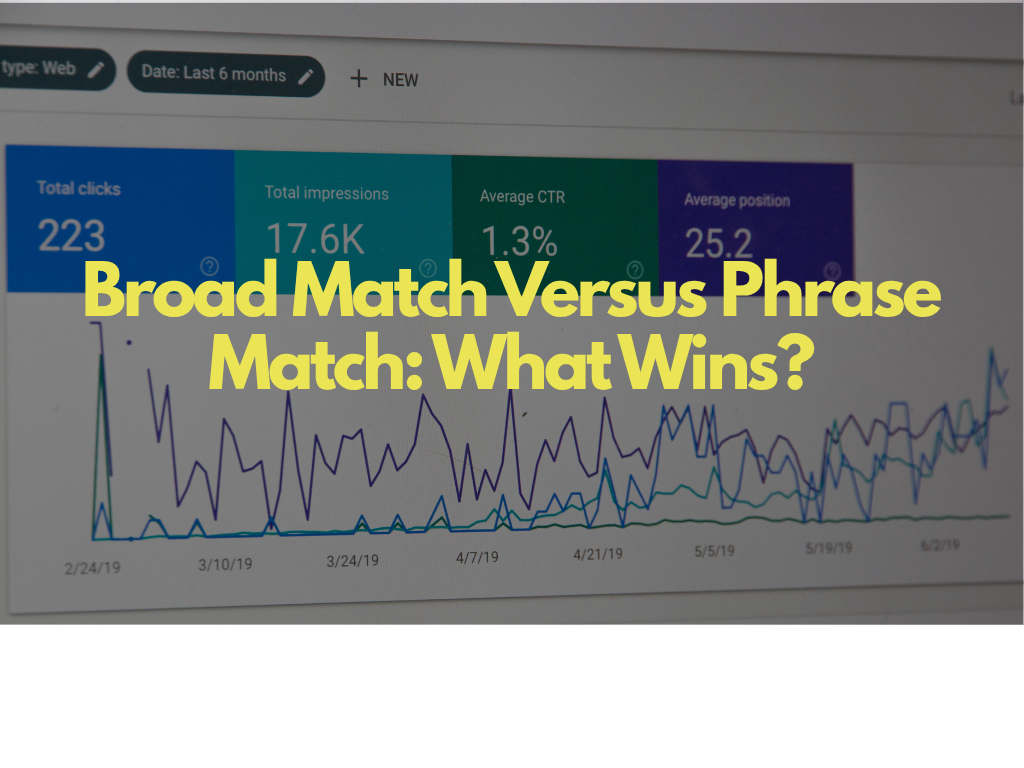
Broad Match Versus Phrase Match: What Wins?
The broad match versus phrase match decision is not about picking the “safe” option. It is about deciding how much room Google gets to interpret intent, then proving that its interpretation is making you money.
SEM Management
How to Improve Quality Score in Google Ads
To improve a keyword's Quality Score, optimize ad relevance with targeted copy, enhance landing page experience for speed and alignment, and increase click-through rate using compelling, tailored calls-to-action.
SEM Management
PMax Asset Performance: What to Fix
Optimize Performance Max assets by tailoring diverse messaging to business metrics, diagnostic insights, and controlled rotation with Dolnai's auditing.

SEM Management
How to Find Hidden Search Term Waste Fast
Google Ads campaigns often leak money on hidden, irrelevant search terms due to broad match and unreported queries. Advertisers can diagnose this waste by auditing intent themes, match types, and downstream lead quality instead of relying solely on visible reports.

SEM Management
How to Identify Campaign Spend Anomalies Fast
To avoid wasting budget on Google Ads, spot spend anomalies by analyzing deviations between cost and actual performance. Segment data, validate tracking, and act quickly with guardrails to prioritize business profitability over a high volume of metrics.
SEM Management
Automation vs. Human Control: How to Stop Wasting Budget in Google Ads
Google Ads automations execute tasks quickly but cannot evaluate traffic quality or business context. To maximize your budget, automate repetitive execution while keeping strategy, diagnosis, and conversion validation strictly under human control.

SEM Management
How to Prioritize Google Ads Optimizations
Learn how to prioritize Google Ads optimizations by finding costly leaks, sizing impact, and acting on the changes that protect profitable spend first.


SEM Management
PMax Optimization Framework Guide for Real Control
Use this PMax optimization framework guide to uncover wasted spend, improve signals, protect measurement, and make smarter campaign decisions each day.
SEM Management
Smart Bidding for Results You Can Actually Trust
Smart bidding can improve Google Ads results, but only when conversion data and goals are continuously monitored and corrected for real profitable growth.
SEM Management
How to Improve Shopping Campaign Profitability
Learn how to improve shopping campaign profitability by finding waste, fixing feed gaps, and making bid decisions that protect margin and scale profitably.
SEM Management
How to Spot Conversion Tracking Gaps in Google Ads
Learn how to spot conversion tracking gaps in Google Ads, validate what is counted, and make CPA, bidding, and budget decisions with confidence across campaigns.
SEM Management
Performance Max Audit: Find Waste Before It Spends
Run a performance max audit that exposes wasted spend, weak asset groups, poor feed signals, and conversion gaps before automation burns more budget fast.
SEM Management
10 Google Ads Errors to Fix Before They Burn Budget
Find the Google Ads errors to fix first, from wasted search spend to weak conversion tracking, and prioritize changes that lower CPA and protect profit.
SEM Management
How to Reduce Wasted Ad Spend Fast
Learn how to reduce wasted ad spend in Google Ads with clear fixes for search terms, bidding, PMAX, and tracking that improve CPA fast
SEM Management
Google Ads Account Audit That Finds Waste
A google ads account audit shows where budget leaks, CPA climbs, and conversions stall so you can fix what matters and cut wasted spend fast.
SEM Management
Google Ads Optimization Checklist That Finds Waste
Use this Google Ads optimization checklist to find wasted spend, improve search control, raise Quality Score, and prioritize changes that lower CPA today.
SEM Management
How to Increase Google Ads Conversions Without More Spend
Learn how to increase Google Ads conversions by fixing tracking, intent, search terms, landing pages, and budget waste before scaling spend campaigns.
SEM Management
9 Ways to Lower CPA Google Ads Fast
Lower CPA Google Ads campaigns by cutting wasted spend, fixing intent leaks, and improving conversion paths with practical optimizations.

Introducing Prompt Planner:the tool to discover which prompts your brand should track in the AI era
Manuel Arrufat, Dolnai CEO Introduces Prompt Planner: a new tool by Dolnai that helps brands and agencies identify the most valuable AI prompts to track, prioritize and optimize for — combining generative AI with real search-market signals.

Dolnai Support
Dolnai Shopping Report Sections Breakdown
This guide explains how to generate and analyze Dolnai’s Shopping reports to optimize products, structure, schedules. By using these insights, you can eliminate wasted ad spend and scale your top-performing campaigns to maximize profit.
Dolnai Support
Dolnai PMax Report Sections Breakdown
This guide explains how to generate and analyze Dolnai’s Pmax reports to optimize channels, schedules, assets, products, and placements. By using these insights, you can eliminate wasted ad spend and scale your top-performing campaigns to maximize profit.
Google Ads Info & Updates
The New Google Ads Bidding Update (tCPA and tROAS): What It Means and How to Prepare
Starting August 17, Google Ads will strictly stick to your configured tCPA or tROAS targets on budget-constrained campaigns.
If your campaigns currently perform better than those targets, you must adjust them to match actual results to prevent your costs from rising.

Google Ads Info & Updates
Google Ads Updates for 2026: Everything You Need to Know About AI Max and Demand Gen
Discover the latest Google Ads updates for 2026 straight from their offices. Learn how to master AI Max for Search, leverage Demand Gen, and use the new attribution reports.


SEM Management
Segmenting Products in Performance Max by ROAS
When using PMax for eCommerce, it’s very common to see most of your budget going to products that don’t sell, while a small portion of products brings in most of your conversion value.The most practical solution is to classify products by performance and split them into campaigns based on their ROAS.

Dolnai Support
Add Labels from Dolnai to Merchant Center
The steps to add labels from the Performance Max report in Dolnai to Merchant Center

SEM Management
PMax Audiences: How to Reach More Customers
Audience configuration in Performance Max campaigns is a key element for properly guiding your investment. Learn how to use them to improve your results

Google Ads Info & Updates
Google Ads Changes in 2025 – What to Expect in 2026
In 2025, Google Ads became an AI-driven platform, transforming Search, Pmax, Shopping, and measurement through automation, transparency, and advanced bidding strategies, while increasing the importance of first-party data and creative quality.

Responsive Search Ads (RSA)
Creatives and Formulas for Your Ads Based on Your Business Goals
Dolnai explains how to craft ad creatives tailored to business goals, offering messages aligned with user intent and funnel stages for better performance.

SEM Management
Making a Bid For Profit: Stop Bidding on Revenue, Start Bidding on True Value
Bid to Profit tool attributes the real Contribution Margin down to the precise SKU level. This is the metric that matters, as it factors in all variable costs, giving you the most accurate picture of your true profit per product.

SEM Management
6 Biggest Wasted-Spend Traps in Google Ads
Review the 6 biggest wasted-spend traps in Google Ads: Broad Match without using negatives, poor feed hygiene, lack of testing in RSAs, wrong bidding signals, campaign overlap, ignored placements.

SEM Management
Everything a Google Ads (PMax + Search) Expert Needs to Know in 2025
Complete roadmap for learning PMax + Search in 2025. This Roadmap covers absolutely every single lever you can pull inside Google Ads.

SEM Management
The key strategies to make AI Max for Search boost your sales
If you’re testing or considering AI Max for Search, check out this guide packed with strategies to grow your traffic while keeping your profitability intact.

SEM Management
The PMax Black Box Pack
A practical playbook to see what Google PMax hides, fix leaks fast, and scale profitably. A proccess for auditing and optimizing PMax campaigns. Everything here is first-person and field-tested – the same steps I use with our clients and in our own campaigns.

SEM Management
The midnight trap in your campaigns
Find out which hours and days make your investment most profitable on Google Ads with Dolnai.

SEM Management
6 Common PMax Misconceptions (And What Google Doesn’t Tell You)
Performance Max campaign requires much more than just adding resources and signals. Discover the most common mistakes that drain budgets in thousands of campaigns and how to avoid them with dolnai.

Google Ads Info & Updates
AI Max for Search Campaigns
A solution that, in just one click, enhances targeting, ads and final urls. It allows you to run search campaigns without manually adding keywords or ads. The AI takes on the task of detecting user intent, generating ads, optimizing bids, and selecting landing pages in real time for each search.

SEM Management
Negative Keywords at Campaign Level in Performance Max
Negative Keywords at Campaign Level are available for PMax. Giving greater control, improved optimization, and the ability to block irrelevant search terms. This step-by-step guide explains how to set them up and how to take advantage.

SEM Management
Smart Bidding Exploration
Smart Bidding Exploration dynamically adjusts the target ROAS for search campaigns based on Google's artificial intelligence. It allows the system to bid more aggressively on certain searches that it considers valuable, even if they are initially more expensive.

SEM Management
Bidding strategies in Google Ads: A practical guide
The bidding strategy in Google Ads defines which searches your ads will appear for based on your traffic goal and how much you are willing to pay for it. It is very important to choose the right one to guide Google in directing your budget to meet your goals.

SEM Management
Align Your SEO and SEM Strategy
SEO and SEM traffic are interrelated and feed back into each other, i.e. one influences the other and vice versa. SEO data can give us valuable information to optimize our SEM traffic and vice versa.

SEM Management
Keyword Library: Invest Your Time and Budget Smarter in Google Ads
Keywords have much more potential than what you typically see in Google Ads. With Dolnai’s Keyword Library, you can cross-analyze data to discover which keywords are worth investing in — and which ones aren’t — based on your performance and your competitors

Google Ads Info & Updates
Double Serving in Google Ads
Google Ads faces a hidden crisis: “Double Serving” increases CPCs, lowers your CTR and Quality Score, inflates costs, and boosts Google’s revenue. Dolnai helps detect and reduce its impact.

SEM Management
Print Density in Google Ads: The Hidden Metric That Can Transform Your Campaign Performance
Print Density measures how many of the total ad impressions for a given keyword are yours, compared to all other advertisers bidding on the same keyword.


SEM Management
Performance Max Campaigns: Advantages of Each Channel and How to Exclude Them
Performance Max campaigns target search, display, video and shopping. Depending on your objective and strategy, some channels will suit you better than others. Find out according to performance which channel suits you and how to exclude them.

SEM Management
Optimize your Pmax Assets with Dolnai
How to optimize your pmax resources with dolnai to sell to get more conversions

SEM Management
Disable Google's Asset Automation
How to disable asset automation in your performance max campaigns. These resources usually have a worse performance than the resources created by the account manager.

SEM Management
Unlock Account-level Automated Assets Settings
Account-level Automated Assets Settings: These are 10 hidden settings that probably won’t move the needle but it’s important that you check them out to see the status of your configuration settings.

SEM Management
Brand Keywords, A Revolutionary Tax: Pay or Exclude?
Bidding on your own Brand Name is something no one likes to do. However it's a decision every advertiser has to take when it comes to Google Ads. Should I bid on my own Brand Name? We'll show you different reasons why you should consider it.

Case Studies
Barkibu, Top Pet Health Insurance
Find here one of our Case Studies. Dolnai helps Barkibu (a top pet health insurance company) boost PMax campaigns ensuring the best results in Google Ads.

Responsive Search Ads (RSA)
Ad Strength, Is It a Vanity Metric?
Is there a correlation between Ad Strength and Campaign performance? Yes, there is a correlation between AdStrength and the KPIs of your campaigns. The more enriched the ad, the better its conversion performance.

SEM Management
How to Exclude Keywords in Performance Max Campaigns
Negative Keywords in Performance Max campaigns is something really important to keep in mind when optimizing this type of campaigns. You can Exclude Keywords in PMax. Learn how to exclude negative keywords in Google Ads Performance Max Campagins.

Dolnai Support
Search Campaigns Full Report (Dolnai Support)
Support guide of a Dolnai Full Search Report

SEM Management
How to Exclude Parked Domains in your Google Ads Campaigns
Parked domains are those domains that are "currently not in use". Well...many of them, those which serve ads,...they are indeed being used to make money out of you, poor advertiser. Learn how to exlude them from your Google Ads campaigns.

SEM Management
PMax Competitive Metrics: Discover your Competitors in Performance Max Campaigns Google Ads
Discover your competitors are in Performance Max campaigns in Google Ads. Do you know who you are competing against in Search and Shopping networks with regards to Performance Max campaigns?

SEM Management
Product Titles in PMax Shopping: Improve Product Performance
For all of you who run PMax Shopping or Standard Shopping campaigns, now you will be able to analyze which Product Title worked best in a certain period of time in your Performance Max campaigns.

SEM Management
DOLNAI Takes Over Script Functions
we are going to explore the difference between what a script offers and what Dolnai's tool provides. You'll quickly realize that it makes no sense to opt for scripts when Dolnai's service is available.

SEM Management
Basic Tasks to Manage a Google Ads Account
Knowing the priority tasks for managing a google ads account is essential. The key to success is to continually optimize the account based on its performance and to keep up to date.

SEM Management
How can Performance Max Campaigns increase your sales?
PMax Campaigns are supossed to increase conversions and value. Google AI optimises your budget and bids across Google channels in real-time to help drive more conversions. Find new and high-value customers.

SEM Management
What Type of Campaign to use to Advertise my Business?
There are different types of Google Ads Campaigns to advertise. The right one depends on the audience you want to target and what is your goal. Taking into account the amount of time and investment you are going to spend on this platform can help you choose one type or another.

SEM Management
Top Tips to Boost Your Sales in Google Ads
We solve the most frequent doubts that arise when starting to work with Google Ads. Maximize the profitability of your investment without wasting your time.

SEM Management
Should I Add Brand Keywords?
Including brand keywords reduces the CPC on your account. Find out how and when to add them to protect your brand image.

SEM Management
How to structure Google Ads Campaigns
Find out how to structure your Google Ads account. Make the most of your investment. get more clicks from more qualified users and boost your sales

SEM Management
How much should I invest in Google Ads?
The investment you should make in Google Ads depends on many factors. Knowing your target, the market and making continuous adjustments are basic. Not always double the investment means double the sales.

Google Ads Info & Updates
Google Ads Editor Latest Version 2.7: Discover the New and Deprecated Features
Discover the Google Ads Editor Latest Version 2.7 and its new and deprecated features.
Master Google Ads: Detect the issues in your account and improve results instantly
You’ll optimize Google Ads with intelligent decisions: Dolnai analyzes your account in depth, identifies critical inefficiencies, and guides you step by step to improve performance without wasting time.


Try it for free
Our tools filter out the noise and highlight the insights that actually drive growth — so you make smarter decisions, faster.

Apply recommendations
Our tools reveal real trends, customer behavior, and opportunities — helping you stay ahead in a constantly shifting landscape.

Multiply conversions
Captivate your clientsDeliver the right message at the right moment using insights that truly resonate.
Gain clearer insights, improve performance instantly, and simplify your entire campaign management.

Reduce CPA
Reduce CPA by optimizing spend toward your highest-value audiences.

Save management time
Increase conversions through data-driven targeting and clearer insights.

Increase conversions
It works just as well for small accounts as for accounts managing millions.
Frequently asked questions
Is there a free trial available?
Yes. Precisely because you have experience. You know Google Ads is unpredictable, every account behaves differently, and Google hides things even when you try hard to find them. Dolnai shows you what isn’t visible and what’s making you lose money. It’s not about knowing more—it’s about seeing what others can’t.
Is Dolnai going to change my structure or touch my campaigns?
Not a chance. Your campaigns are yours. Dolnai doesn’t touch anything. What it does do is show you where the problem is, what’s causing it, and how to fix it. You stay in control. We give you the clarity Google Ads doesn’t.
“Does this replace Google Ads or the way I work?”
No, and that’s a good thing. We don’t want to replace you—we want to empower you. Dolnai doesn’t compete with you or with Google Ads: it helps you make better decisions without wasting time digging through reports written in a language only Kafka would understand.
How long will it take to see results?
Clarity: minutes. Real improvements: depends on how fast you apply what Dolnai shows you. When you fix the critical issues, results come quickly. Campaigns respond. CPA drops. Life gets better.
What if my account is already well optimized?
Great—you’ll see it. But let me tell you something… there’s always something. Always. Even in accounts that look like Swiss clocks we find leaks, conflicts, and small issues that cost money every month. Dolnai is that honest friend who tells you the truth without sugarcoating.
“Is this useful for agencies too?”
It’s gold for agencies. If you manage multiple accounts, Dolnai is like having an analyst working 24/7 who never gets tired, never makes mistakes, and never writes reports just to justify their salary. You audit faster, retain clients better, and close more deals.
Do I need to be technical to understand Dolnai?
No. You don’t need a master’s degree. Dolnai speaks clearly: “this is wrong because of this, and here’s how to fix it.” Period. No weird jargon, no graphs that look like an ECG.
What if I don’t like it or it’s not what I expected?
No strings attached. You can join, test, explore, review, analyze, and if it doesn’t deliver real value… you leave. But fair warning: once you see what Dolnai uncovers, there’s no going back.
How is it different from other tools?
Because it doesn’t give you data for the sake of data. It gives you action. It tells you what hurts, where it hurts, and how to stop losing money. Most tools show charts. Dolnai shows opportunities. That’s why our customers use it every month.
Why doesn’t Google show these things?
Because it’s not in their interest. Google wants clicks. We want results for you. That’s the difference.
Is there a minimum contract period?
“Is there a minimum contract period?”.
Is Google going to get upset with me for using this?
No. We’re a Google Tech Partner. Google knows that when campaigns improve, clients are happier and end up investing more to increase sales. It’s a win-win for everyone.
If I press a button, will the campaigns automatically improve with Dolnai?
No. We’re too old to lie. We treat our clients with respect. If you’re looking for a magic button, we’re not your solution. We help you improve by giving you superpowers to see what you couldn’t see before. But your judgment is still needed.
Don’t scripts basically do the same?
If only. Scripts are patches. Small alerts. Mini alarms that trigger without context and that you have to interpret. Dolnai gives you the full diagnosis: what’s wrong, why it’s wrong, how much it’s costing you, and what you should fix first. Scripts leave you with more questions than answers. Dolnai leaves you with a clear plan to improve performance.
So… what does Dolnai have that a script doesn’t?
Everything. Dolnai analyzes hundreds of critical points at once, groups issues, prioritizes tasks, detects invisible blockages, duplications, structural errors, toxic hours, useless keywords, and opportunities no script can see or understand. Scripts are isolated tools. Dolnai is a full system designed to optimize real campaigns—not to make you feel “techie.” Yes, Dolnai costs money, but it provides far more value than it costs.